
• Login
OOverall Health
  • About
  • The Program
  • The Burnout Blog
    • Nervous System
    • Cognitive Performance
    • Identity & Boundaries
    • Somatic Health
    • Podcast
  • The Wellness Vault
    • Holistic Wellness Resources
    • Physical Health & Movement
    • Mental Health & Psychology
    • Nutrition & Functional Health
    • Podcast
Apply Now
No Result
View All Result
  • About
  • The Program
  • The Burnout Blog
    • Nervous System
    • Cognitive Performance
    • Identity & Boundaries
    • Somatic Health
    • Podcast
  • The Wellness Vault
    • Holistic Wellness Resources
    • Physical Health & Movement
    • Mental Health & Psychology
    • Nutrition & Functional Health
    • Podcast
No Result
View All Result
OOverall Health
No Result
View All Result
  • About
  • Advertise
  • Privacy & Policy
  • Contact
  • Blog
Home Burnout Blog

10 Signs Your Nervous System Is Dysregulated (And How to Reset It Naturally)

When Your Body Is Stuck in Survival Mode

A tired Caucasian man at a desk, showing signs of exhaustion and stress, exemplifying workplace burnout.
0
SHARES
11
VIEWS
Share on FacebookShare on Twitter

Many people today feel constantly anxious, exhausted, overwhelmed, and burned out. They wake up tired, struggle to focus, and feel emotionally reactive. Even small stressors can feel unbearable.

This experience is often blamed on poor sleep, personality, or “modern life.” But there is a deeper biological explanation.

In many cases, the real problem is nervous system dysregulation.

Your nervous system controls:

  • Stress responses

  • Energy levels

  • Emotional stability

  • Digestion

  • Sleep cycles

  • Immune function

When it becomes dysregulated, the body gets trapped in fight-or-flight mode or chronic shutdown.

Instead of responding to stress and returning to calm, the body remains stuck in survival mode.

Over time, this leads to symptoms such as:

  • Persistent anxiety

  • Fatigue and burnout

  • Brain fog

  • Digestive issues

  • Sleep disturbances

  • Mood instability

The good news is that the nervous system is highly adaptable. With the right lifestyle, nutrition, herbs, and mind-body practices, it can be retrained and restored.

This article explains:

  • 10 signs your nervous system is dysregulated

  • The science behind stress and nervous system imbalance

  • Natural strategies for nervous system regulation

Why Nervous System Dysregulation Happens

To understand this issue, we need to understand the autonomic nervous system (ANS).

The Two Branches of the Autonomic Nervous System
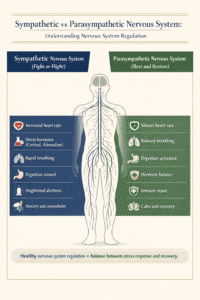
Sympathetic vs parasympathetic nervous system infographic explaining fight-or-flight vs rest-and-digest responses and nervous system regulation.
Why chronic stress, anxiety, fatigue, and burnout happen in the body.

The autonomic nervous system has two main branches.

1. Sympathetic Nervous System (Fight or Flight)

This system prepares the body to deal with danger.

It increases:

  • Heart rate

  • Blood pressure

  • Stress hormones

  • Alertness

This response is useful for short-term survival.

But when activated chronically, it leads to anxiety, inflammation, fatigue, and burnout.

2. Parasympathetic Nervous System (Rest and Restore)

This system helps the body recover.

It promotes:

  • Relaxation

  • Digestion

  • Hormone balance

  • Immune repair

  • Deep sleep

Healthy people move flexibly between these two systems.

Dysregulation occurs when the nervous system becomes stuck in one state.

For example:

• Constant fight-or-flight → anxiety and overwhelm
• Chronic shutdown → fatigue, depression, brain fog

10 Signs Your Nervous System Is Dysregulated
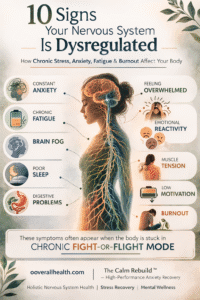
Signs of nervous system dysregulation infographic showing symptoms like anxiety, fatigue, brain fog, poor sleep, digestive problems, overwhelm, and burnout.
Holistic Nervous System Health | Stress Recovery | Mental Wellness

1. Constant Anxiety Without Clear Cause

One of the clearest signs of nervous system dysregulation is persistent anxiety.

The body behaves as if it is constantly under threat.

Symptoms include:

  • Racing thoughts

  • Muscle tension

  • Hypervigilance

  • Rapid heart rate

Even when life circumstances are calm, the nervous system continues to signal danger.

This occurs because the sympathetic nervous system remains overactivated.

2. Chronic Fatigue That Sleep Does Not Fix

Many people assume a lack of sleep causes fatigue.

But nervous system dysregulation can lead to profound neurological exhaustion.

When the body spends months or years in fight-or-flight mode, stress hormones eventually become depleted.

This can lead to:

  • Morning exhaustion

  • Brain fog

  • Low motivation

  • Energy crashes during the day

This stage is often described as burnout.

3. Feeling Overwhelmed by Small Tasks

A dysregulated nervous system reduces the brain’s ability to process information efficiently.

Tasks that once felt easy may suddenly feel impossible.

Examples include:

  • Avoiding emails

  • Procrastinating simple tasks

  • Difficulty making decisions

  • Feeling mentally overloaded

This happens because the prefrontal cortex, responsible for planning and decision-making, becomes suppressed during chronic stress.

4. Difficulty Relaxing Even When Nothing Is Wrong

Many people with nervous system dysregulation say:

“I know I should relax, but my body won’t.”

They may feel:

  • Restless

  • On edge

  • Unable to sit still

  • Unable to enjoy downtime

This occurs when the body has lost the ability to shift into parasympathetic calm states.

5. Poor Sleep or Waking Up Frequently

Sleep disturbances are one of the earliest warning signs.

Common patterns include:

  • Difficulty falling asleep

  • Waking at 2–4 AM

  • Light, restless sleep

  • Feeling tired even after 8 hours

Elevated nighttime cortisol and adrenaline disrupt the body’s natural sleep rhythms.

6. Digestive Problems
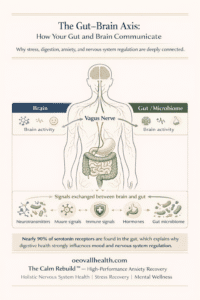
Gut brain axis diagram showing communication between the brain and gut through the vagus nerve and how digestion influences mood and nervous system regulation.
Why stress, digestion, anxiety, and nervous system regulation are deeply connected.

The digestive system is closely connected to the nervous system through the gut-brain axis.

When the body remains in fight-or-flight mode, digestion slows down.

This can lead to:

  • Bloating

  • IBS symptoms

  • Constipation

  • Acid reflux

  • Poor nutrient absorption

7. Brain Fog and Poor Focus

Stress hormones impair memory and concentration.

Symptoms include:

  • Forgetting simple things

  • Difficulty concentrating

  • Mental fatigue

  • Slower thinking

Over time, chronic stress can affect the hippocampus, a brain region involved in learning and memory.

8. Emotional Reactivity

People with nervous system dysregulation often feel emotionally fragile.

Small triggers may cause:

  • Irritability

  • Anger

  • Sudden sadness

  • Emotional shutdown

This occurs because the amygdala, the brain’s threat detector, becomes hypersensitive.

9. Physical Tension or Chronic Pain

Chronic stress often appears in the body as:

  • Tight shoulders

  • Jaw clenching

  • Headaches

  • Neck pain

Muscles remain contracted as the body prepares for danger.

Over time this leads to chronic pain patterns.

10. Loss of Motivation and Joy

In later stages of burnout, the nervous system may shift into shutdown mode.

Symptoms include:

  • Emotional numbness

  • Low motivation

  • Lack of interest in activities

  • Social withdrawal

This state is the body’s way of conserving energy after prolonged stress.

Natural Ways to Reset and Support Nervous System Regulation

1. Breathwork to Activate the Vagus Nerve
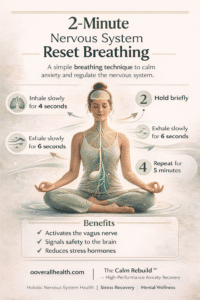
Vagus nerve breathing technique infographic showing a 4-second inhale, brief hold, and 6-second exhale to calm the nervous system and reduce stress.
A simple breathing technique to calm anxiety and regulate the nervous system.

Slow breathing activates the vagus nerve, a key regulator of the parasympathetic nervous system.

One effective technique is 4-6 breathing:

  1. Inhale for 4 seconds

  2. Exhale for 6 seconds

  3. Repeat for 5 minutes

This slows heart rate and signals safety to the brain.

2. Nervous System Supportive Nutrition

Certain nutrients support brain and nervous system function.

Important nutrients include:

Magnesium

Magnesium helps regulate stress hormones and muscle tension.

Food sources:

  • Pumpkin seeds

  • Dark leafy greens

  • Almonds

  • Avocados

Omega-3 Fatty Acids

Omega-3 fats support brain health and reduce inflammation.

Sources:

  • Fatty fish

  • Chia seeds

  • Flaxseeds

  • Walnuts

B Vitamins

B vitamins support neurotransmitter production.

Sources:

  • Eggs

  • Whole grains

  • Legumes

  • Nutritional yeast

3. Adaptogenic Herbs

Certain herbs help the body adapt to stress.

Examples include:

Ashwagandha

Supports cortisol balance and stress resilience.

Rhodiola

Improves energy and mental performance during stress.

Holy Basil (Tulsi)

Traditionally used to calm the nervous system. Read more about adaptogens here

4. Nature Exposure

Time in nature lowers stress hormones and improves mood.

Research shows that 20–30 minutes in nature can significantly reduce cortisol levels.

Examples:

  • Walking in parks

  • Gardening

  • Hiking

  • Sitting near water

5. Gentle Movement

Exercise helps regulate the nervous system, but intense workouts may worsen burnout.

Better options include:

  • Yoga

  • Walking

  • Tai chi

  • Stretching

These movements promote parasympathetic activation.

6. Social Connection

Humans regulate their nervous systems through safe relationships.

Positive social interaction increases oxytocin and reduces stress.

Simple examples:

  • Talking with supportive friends

  • Spending time with family

  • Joining community groups

Evidence and Research Overview

Research increasingly confirms the connection between chronic stress and nervous system dysregulation.

Key findings include:

• Chronic stress elevates cortisol and inflammatory markers
• Vagus nerve stimulation improves emotional regulation
• Adaptogenic herbs may reduce stress and fatigue
• Mind-body practices improve autonomic nervous system balance

For example:

  • A 2018 study found that breathing exercises significantly improve vagal tone.

  • Research in Nutrition shows magnesium deficiency is associated with increased anxiety.

  • Studies on forest bathing demonstrate reductions in cortisol and blood pressure.

Practical Daily Plan for Nervous System Regulation

Here is a simple routine readers can try.

Morning

• 5 minutes deep breathing
• Sunlight exposure
• Protein-rich breakfast

Midday

• Walk outside for 20 minutes
• Eat whole foods rich in magnesium and omega-3s

Evening

• Reduce screen exposure
• Gentle stretching or yoga
• Herbal tea such as chamomile or tulsi

Consistency is more important than intensity.
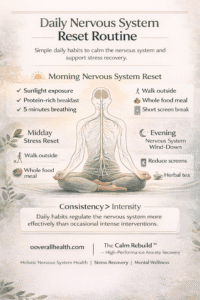
Daily nervous system regulation routine infographic showing morning, midday, and evening habits for stress recovery and anxiety reduction.
Simple daily habits to calm the nervous system and support stress recovery.

Frequently Asked Questions

How long does it take to regulate the nervous system?

Some people notice improvements within weeks. However, long-term dysregulation may take several months of consistent lifestyle changes.

Can nervous system dysregulation cause anxiety?

Yes. Chronic activation of the sympathetic nervous system can produce persistent anxiety symptoms even when there is no immediate threat.

What is the fastest way to calm the nervous system?

Slow breathing, grounding exercises, and spending time in nature can calm the nervous system within minutes.

Can diet affect nervous system regulation?

Yes. Nutrient deficiencies, blood sugar instability, and inflammatory diets can worsen stress responses and anxiety.

Conclusion

Many modern health problems are rooted in chronic nervous system dysregulation.

When the body becomes trapped in survival mode, symptoms such as anxiety, fatigue, overwhelm, and burnout appear.

Fortunately, the nervous system is adaptable.

Through:

  • breathwork

  • nutrition

  • herbs

  • movement

  • nature

  • supportive relationships

the body can gradually return to balance.

Learning how to regulate the nervous system is one of the most powerful steps toward long-term mental and physical health.

Tags: adaptogens for stressburnout nervous systemchronic stress symptomsfight or flight symptomsgut brain axis anxietyhow to calm nervous systemhow to regulate nervous systemhow to reset nervous systemnatural ways to calm anxietynervous system dysregulationnervous system healingnervous system regulationoveractive nervous systemparasympathetic nervous system activationsigns of burnoutstress and digestionsymptoms of nervous system dysregulationvagus nerve breathingvagus nerve exercises
Oluchi Onwukwe BHS, MACP, CCC

Oluchi Onwukwe BHS, MACP, CCC

Oluchi is a dedicated Holistic Health and Wellness Coach, and Mental Health Counsellor with a deep passion for helping individuals achieve optimal well-being. With expertise in integrative health, Oluchi blends evidence-based naturopathic principles, nutrition, and mental wellness strategies to support holistic healing. She holds a Master of Arts in Counselling Psychology (MACP), and a Bachelor of Health Studies (BHS), including certifications in Holistic Health Coaching, Nutrition, Meditation, Yoga and Deep Breathing work. Driven by a mission to educate and empower, Oluchi explores the interconnectedness of mind, body, and spirit through insightful discussions on nutrition, alternative medicine, and mental resilience. As a strong advocate for wellness rooted in natural healing and preventative care, Oluchi’s approach challenges conventional health narratives while promoting accessible, sustainable, and culturally inclusive wellness practices. Through this blog, Oluchi shares thought-provoking insights, practical health strategies, and transformative knowledge to inspire a healthier, and more balanced lifestyle. ⚠️ Medical Disclaimer All content found on this site and YouTube channel — including text, images, audio, videos, downloadable resources, coaching services, blog posts, and comments — is for informational and educational purposes only. It is not intended to be a substitute for professional medical advice, diagnosis, or treatment.Always consult with a qualified healthcare provider or licensed physician before making any changes to your diet, medication, treatment plan, or lifestyle, especially if you have a medical condition, are pregnant or nursing, or are taking prescription medications.While I draw on professional training in holistic health, mental health therapy, and wellness coaching, I do not practice medicine, nor do I claim to cure, treat, or diagnose any disease. The insights and recommendations offered on this platform are intended to support your personal wellness journey, not replace professional healthcare services.🧠 Mental Health Disclaimer Although I am a licensed/credentialed mental health professional, the content shared here is not intended to be or replace individual psychotherapy or crisis care. Watching videos, reading articles, or using worksheets does not establish a therapist-client relationship. If you are in emotional distress, please seek help from a licensed mental health provider in your area or contact your local emergency services.🌿 Product & Affiliate Disclaimer Some of the links on this site and channel may be affiliate links, meaning I may earn a small commission if you purchase through them — at no additional cost to you. I only recommend products that align with my philosophy of natural, evidence-based, and holistic healing.However, product recommendations are not endorsements or prescriptions. You are encouraged to do your own research and consult with your healthcare provider before using any new health product, supplement, herb, or device.🗣️ Controversial Topics & Opinions Disclaimer OOverall Health stands unapologetically for health freedom, informed consent, and truth-based wellness. This means I often challenge conventional narratives around pharmaceuticals, vaccination, food systems, climate ideologies, and medical monopolies.The views expressed here are my own, based on research, professional experience, traditional healing wisdom, and personal conviction. While I invite critical thinking and respectful dialogue, I recognize that some perspectives may not align with mainstream opinion or public policy. Viewers and readers are encouraged to think independently and make informed decisions for themselves and their families.✅ Use of Content All content is copyrighted. No part of this website, YouTube channel, or downloadable materials may be reproduced, distributed, or used for commercial purposes without written permission from Oluchi Onwukwe.By accessing this platform, you acknowledge that you have read, understood, and agreed to this disclaimer.

Recommended

The Connection Between Hormonal Balance and Mental Health

The Connection Between Hormonal Balance and Mental Health

pexels-photo-30531599-30531599.jpg

The Healing Effects of Spending Time Near Water

Don't Miss

A tired Caucasian man at a desk, showing signs of exhaustion and stress, exemplifying workplace burnout.

10 Signs Your Nervous System Is Dysregulated (And How to Reset It Naturally)

woman, doctor, surgeon, physician, nurse, hospital worker, healthcare worker, stethoscope, medicine, doctor, doctor, doctor, doctor, doctor, nurse

The Connection Between Gut Health And Skin Conditions

Mouthwatering pancakes with strawberries, nuts, and syrup on a plate.

The Impact Of Processed Foods On Gut Health

person holding white bowl with sliced lime and ginger inside

10 Holistic Wellness Habits to Transform Your Life

Group 1

Clinical Disclaimer: The content provided is for educational and informational purposes and does not replace professional medical advice or a 1 on-1 therapeutic relationship.

Facebook X-twitter Youtube Pinterest Instagram Tiktok

Program

  • The Burnout Blog
  • The Wellness Vault
  • The Program

Company

  • About
  • Privacy Policy
  • Terms of Service
  • The Calm Rebuild™

Contact: official@ooverallhealth.com

© 2026 ooverallhealth.com All rights reserved.

Welcome Back!

Login to your account below

Forgotten Password?

Retrieve your password

Please enter your username or email address to reset your password.

Log In
Download the Professional's Guide to Nervous System Regulation.
Subscription Form (#3)
No Result
View All Result
  • About
  • The Program
  • The Burnout Blog
    • Nervous System
    • Cognitive Performance
    • Identity & Boundaries
    • Somatic Health
    • Podcast
  • The Wellness Vault
    • Holistic Wellness Resources
    • Physical Health & Movement
    • Mental Health & Psychology
    • Nutrition & Functional Health
    • Podcast

Copyright © 2025 ooverallhealth.com. All rights reserved.

Go to mobile version