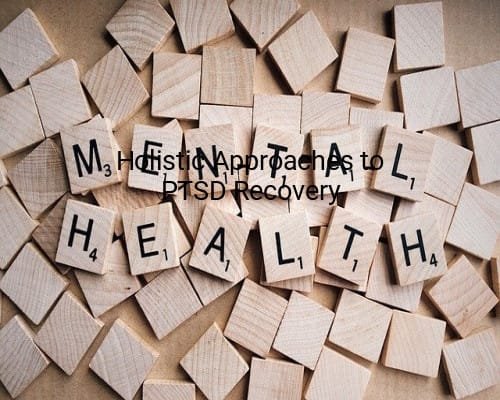
Holistic Approaches to PTSD Recovery: A Natural Path to Healing
Post-Traumatic Stress Disorder (PTSD) is a mental health condition that develops in response to a traumatic event, such as abuse, natural disasters, war, accidents, or personal violence. While conventional treatments like cognitive behavioral therapy (CBT) and medication are widely used, holistic and natural approaches have gained recognition for their effectiveness in supporting PTSD recovery by addressing the body, mind, and spirit.
This article explores holistic therapies and lifestyle modifications that can help individuals manage PTSD symptoms and promote long-term healing.
1. Understanding PTSD from a Holistic Perspective
PTSD is not just a mental disorder—it affects the whole person. The nervous system remains in a state of hyperarousal, leading to symptoms such as flashbacks, nightmares, emotional numbness, and physical distress. A holistic approach considers:
- The mind (thought patterns, beliefs, and emotional processing)
- The body (nervous system regulation, physical health, and nutrition)
- The spirit (sense of purpose, connection, and emotional expression)
Holistic PTSD recovery focuses on balancing all these aspects to restore inner harmony.
2. Holistic Therapies for PTSD Recovery
a) Mind-Body Connection Therapies
These approaches regulate the nervous system, helping individuals shift from a hyperaroused state to a state of relaxation.
i. Mindfulness-Based Stress Reduction (MBSR)
Mindfulness helps PTSD sufferers remain grounded in the present moment, reducing anxiety and reactivity to trauma triggers. Studies show that MBSR improves emotional regulation and lowers cortisol (stress hormone) levels (1).
How to practice:
- Daily meditation (10–20 minutes)
- Body scan exercises
- Observing thoughts without judgment
ii. Yoga for PTSD
Yoga combines breathwork, movement, and mindfulness, making it an effective tool for trauma recovery. Trauma-sensitive yoga (TSY) helps survivors regain control over their bodies and emotions (2).
Recommended practices:
- Gentle Hatha yoga
- Yin yoga for deep relaxation
- Breathwork (pranayama) techniques like alternate nostril breathing
iii. Somatic Experiencing (SE)
This therapy helps release stored trauma from the body. Unlike talk therapy, SE focuses on physical sensations and allows the body to process unresolved trauma without re-triggering the mind (3).
b) Nutritional Support for PTSD
A balanced diet can help regulate brain chemistry, reduce inflammation, and support emotional stability.
i. Anti-Inflammatory Diet
Chronic inflammation is linked to PTSD and depression. Foods that reduce inflammation include:
- Omega-3 fatty acids (salmon, flaxseeds, walnuts)
- Antioxidant-rich fruits and vegetables (berries, spinach, kale)
- Healthy fats (avocado, olive oil)
- Turmeric and ginger
ii. Gut-Brain Connection
The gut microbiome plays a critical role in mental health. Probiotic-rich foods (yogurt, sauerkraut, kimchi) and prebiotic fibers (bananas, garlic, onions) improve mood and emotional resilience.
iii. Magnesium and Vitamin B Complex
- Magnesium (found in nuts, seeds, and leafy greens) helps regulate the nervous system.
- B vitamins (in whole grains, eggs, and legumes) support neurotransmitter function.
c) Herbal and Natural Remedies
Herbs can be powerful allies in PTSD recovery. Some of the most effective include:
i. Ashwagandha
An adaptogen that helps reduce cortisol levels, promote relaxation, and improve sleep (4).
ii. Valerian Root & Chamomile
Both have calming properties that help with anxiety and sleep disturbances.
iii. CBD Oil
Cannabidiol (CBD) has been shown to reduce hyperarousal and intrusive memories without the psychoactive effects of THC (5).
d) Energy Healing and Spiritual Practices
Many PTSD survivors benefit from energy healing, which works on emotional and energetic imbalances.
i. Reiki and Acupuncture
- Reiki channels healing energy to release trauma stored in the body.
- Acupuncture balances the body’s energy flow, reducing anxiety and promoting relaxation.
ii. Sound Therapy
Listening to binaural beats, Tibetan singing bowls, or drumming can shift brainwave activity, promoting deep relaxation.
iii. Connecting with Nature
Spending time in green spaces, practicing earthing (walking barefoot on the ground), or engaging in forest therapy lowers stress hormones and restores emotional well-being.
3. Lifestyle Modifications for PTSD Recovery
Incorporating these daily habits can enhance holistic PTSD healing.
a) Regular Physical Activity
Exercise releases endorphins and improves brain function. Beneficial forms include:
- Walking in nature
- Tai Chi or Qigong
- Swimming or cycling
b) Sleep Hygiene
PTSD often disrupts sleep patterns. Establish a bedtime routine by:
- Avoiding screens before bed
- Using essential oils like lavender
- Practicing deep breathing exercises
c) Journaling and Expressive Arts
Writing about traumatic experiences in a structured way (expressive writing therapy) has been shown to reduce PTSD symptoms. Painting, dance, and music therapy can also help process emotions non-verbally.
4. Social Support and Trauma-Informed Relationships
Healing from PTSD is not a solitary journey. Building healthy relationships and engaging with a supportive community are essential.
a) Support Groups and Peer Counseling
Connecting with others who have experienced similar trauma provides validation and shared coping strategies.
b) Trauma-Informed Therapy
Seeking a therapist trained in holistic and trauma-focused approaches (such as EMDR, art therapy, or somatic therapy) can aid in recovery.
c) Pets and Animal Therapy
Interaction with animals, such as service dogs or equine therapy, can provide emotional support and companionship.
Final Thoughts
Holistic approaches to PTSD recovery provide a comprehensive way to heal the mind, body, and spirit. By integrating mindfulness, nutrition, movement, herbal remedies, and supportive relationships, individuals can rebuild their lives and regain a sense of control over their healing journey.
For those struggling with PTSD, trying a combination of these natural therapies alongside professional support may create a more sustainable path to recovery.
References
- Mindfulness-Based Interventions for PTSD
- Yoga and PTSD: Evidence-Based Benefits
- Somatic Experiencing and Trauma Recovery
- Ashwagandha and Stress Reduction
- CBD for PTSD Symptoms
SEO Tags
#HolisticHealth #PTSDRecovery #Mindfulness #NaturalHealing #TraumaRecovery #MentalHealth #YogaForPTSD #HerbalRemedies #NutritionForMentalHealth #EnergyHealing