

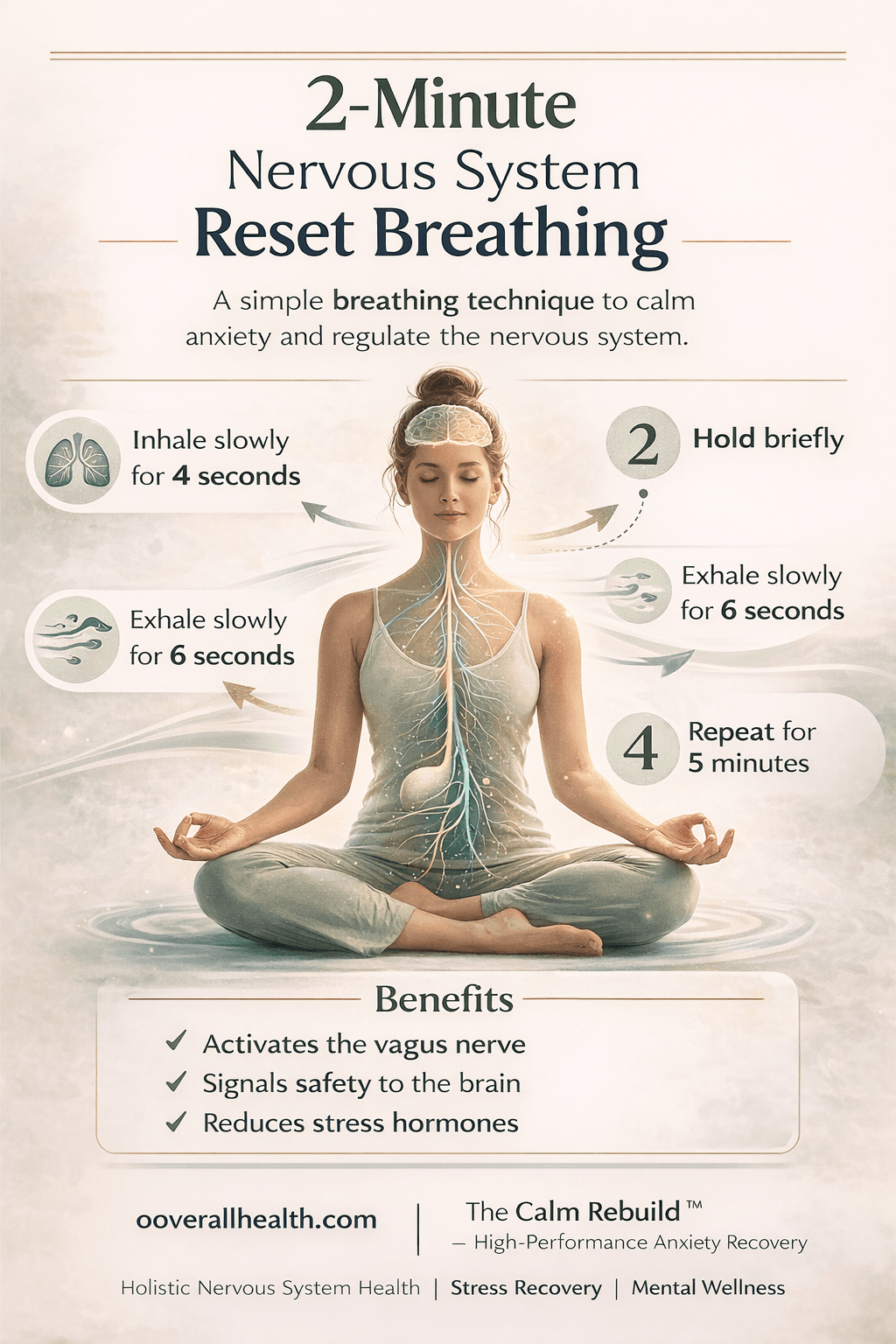
How Breathwork Can Transform Your Mental State
Breathwork is an ancient practice with profound benefits for mental health. It involves intentional control of breathing patterns to influence physiological and psychological states. Rooted in traditions such as yoga, meditation, and modern psychotherapy, breathwork has gained scientific validation for its ability to reduce stress, anxiety, depression, and trauma responses.
This article explores the impact of breathwork on mental health, its scientific foundations, and practical techniques to incorporate into daily life.
The Science Behind Breathwork and Mental Health
Breathwork directly affects the autonomic nervous system (ANS), which regulates stress responses. The ANS consists of:
- Sympathetic Nervous System (SNS): Activates the “fight or flight” response.
- Parasympathetic Nervous System (PNS): Engages the “rest and digest” state.
Intentional breathing can shift the balance between these systems, promoting relaxation, emotional regulation, and cognitive clarity. Studies show that breathwork lowers cortisol levels (the stress hormone) and increases heart rate variability (HRV), an indicator of resilience to stress (1).
How Breathwork Transforms Mental Health
1. Reduces Stress and Anxiety
Fast, shallow breathing is common in anxiety and panic attacks. Breathwork slows the respiratory rate, activating the parasympathetic system, which reduces stress hormones and promotes calmness.
A study in the journal Psychophysiology found that slow, deep breathing significantly reduces anxiety by decreasing amygdala activity—the brain’s fear center (2).
Breathing Exercise for Anxiety: 4-7-8 Breathing
- Inhale through the nose for 4 seconds.
- Hold the breath for 7 seconds.
- Exhale slowly through the mouth for 8 seconds.
- Repeat 4-6 times.
This method slows the heart rate, relaxes muscles, and calms the mind.
2. Alleviates Depression
Breathwork increases oxygenation, which enhances brain function and improves mood. Controlled breathing also boosts endorphins and dopamine, neurotransmitters associated with happiness and motivation.
A study in BMC Complementary Medicine and Therapies found that participants who practiced Sudarshan Kriya, a rhythmic breathwork technique, experienced significant improvements in depression symptoms compared to those receiving standard treatments (3).
Breathing Exercise for Depression: Sudarshan Kriya
- Slow inhalations and exhalations.
- Rhythmic breathing cycles (slow, medium, and fast-paced).
- Consistent practice to regulate emotions and boost mental clarity.
3. Enhances Emotional Regulation
Emotional dysregulation is common in individuals with trauma, PTSD, or mood disorders. Breathwork helps stabilize emotional responses by stimulating the vagus nerve, which controls mood and inflammation.
Breathing Exercise for Emotional Regulation: Box Breathing
- Inhale for 4 seconds.
- Hold for 4 seconds.
- Exhale for 4 seconds.
- Hold for 4 seconds.
- Repeat for 2-5 minutes.
This technique enhances self-control, lowers stress, and stabilizes mood fluctuations.
4. Improves Sleep Quality
Sleep disturbances are often linked to stress and an overactive nervous system. Breathwork shifts the body into a parasympathetic state, promoting deep relaxation.
A 2020 study in Nature and Science of Sleep found that slow diaphragmatic breathing before bedtime improved sleep quality, reduced insomnia, and increased melatonin production (4).
Breathing Exercise for Sleep: Diaphragmatic Breathing
- Lie down and place one hand on your chest and the other on your abdomen.
- Breathe in deeply through the nose, expanding your abdomen (not chest).
- Exhale slowly through the mouth.
- Repeat for 5-10 minutes before sleep.
5. Boosts Cognitive Function and Focus
Shallow breathing deprives the brain of oxygen, leading to mental fog and fatigue. Conscious breathing improves oxygen circulation, sharpening focus and cognitive performance.
A study published in Cognitive, Affective, & Behavioral Neuroscience found that mindful breath awareness enhanced attention span and working memory (5).
Breathing Exercise for Focus: Alternate Nostril Breathing (Nadi Shodhana)
- Close your right nostril with your thumb and inhale deeply through the left nostril.
- Close your left nostril and exhale through the right.
- Inhale through the right nostril, then exhale through the left.
- Repeat for 2-5 minutes.
This technique balances brain hemispheres, enhances concentration, and reduces mental fatigue.
6. Supports Trauma Healing and PTSD Recovery
Trauma and PTSD disrupt normal breathing patterns. Breathwork can regulate the nervous system, release suppressed emotions, and promote healing.
A study published in Journal of Traumatic Stress found that veterans practicing breath-focused meditation experienced reduced PTSD symptoms and improved emotional resilience (6).
Breathing Exercise for Trauma Healing: Coherent Breathing
- Inhale for 5 seconds.
- Exhale for 5 seconds.
- Maintain a steady rhythm for 5-10 minutes.
This technique balances the nervous system, reduces hyperarousal, and fosters emotional processing.
How to Integrate Breathwork into Daily Life
- Morning Routine: Start the day with deep breathing (5-10 minutes).
- Work Breaks: Practice box breathing or alternate nostril breathing for mental clarity.
- Before Sleep: Use diaphragmatic breathing for relaxation.
- During Stressful Moments: Apply 4-7-8 breathing to calm anxiety instantly.
- After Exercise: Perform slow breathing to enhance recovery and oxygenation.
Conclusion
Breathwork is a powerful, natural tool for transforming mental health. By controlling the breath, individuals can regulate emotions, reduce stress, enhance focus, and support trauma recovery. With consistent practice, these techniques can significantly improve overall well-being.
Tags:
#Breathwork #MentalHealth #AnxietyRelief #Mindfulness #HolisticHealing #StressManagement #PTSDRecovery #NaturalWellness #EmotionalRegulation #SelfCare