

How to Create a Self-Care Routine for Mental Wellness
Self-care is essential for maintaining mental wellness, reducing stress, and improving overall well-being. A well-structured self-care routine helps you recharge, stay resilient, and prevent burnout. In this guide, we’ll explore how to create an effective self-care routine tailored to your needs.
1. Understanding Self-Care and Its Importance
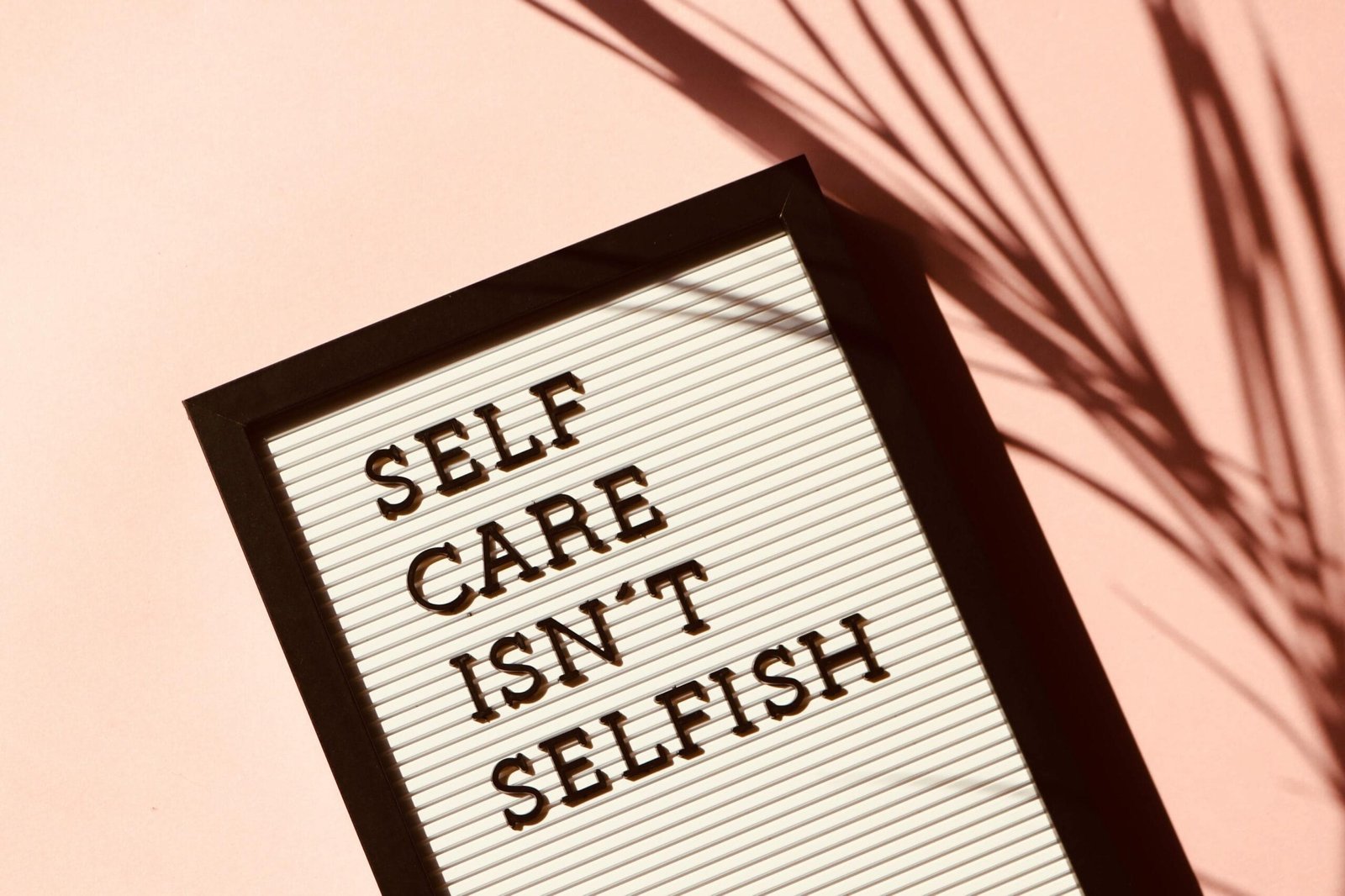
Self-care refers to intentional actions that promote physical, emotional, and mental well-being. It is not selfish; rather, it enables you to be your best self for yourself and others.
Why Self-Care Matters
- Reduces stress and anxiety
- Enhances emotional regulation
- Boosts self-esteem and confidence
- Improves focus and productivity
- Promotes physical health and better sleep
2. Assess Your Needs and Priorities
To create an effective self-care routine, evaluate what areas of your life need the most attention.
Consider the Following Aspects:
- Physical well-being: Do you need more exercise, rest/sleep, or a better diet?
- Emotional health: Are you managing your emotions well?
- Social connections: Are you maintaining healthy relationships?
- Spiritual balance: Do you practice mindfulness or meditation?
- Work-life balance: Are you overworked or feeling burnt out?
3. Set Realistic and Achievable Self-Care Goals
A successful self-care routine is practical and sustainable. Start small and gradually incorporate more activities.
Examples of Achievable Goals:
- Get 7-8 hours of sleep per night
- Spend 10 minutes meditating each day
- Exercise for at least 30 minutes, three times a week
- Set boundaries to avoid overworking
- Unplug from social media for an hour daily
4. Develop a Personalized Self-Care Plan
Once you have identified your needs, create a structured self-care routine that aligns with your lifestyle.
Daily Self-Care Ideas
- Morning: Stretching, journaling, affirmations
- Midday: Take deep breaths, hydrate, step outside
- Evening: Unplug from screens, read a book, listen to soothing music
Weekly Self-Care Activities
- Engage in a creative hobby (painting, writing, dancing)
- Spend time in nature
- Socialize with supportive friends or family
Monthly Self-Care Practices
- Get a massage or spa treatment
- Take a weekend getaway
- Reflect on personal growth and adjust goals
5. Incorporate Mindfulness and Relaxation Techniques
Mindfulness helps center your thoughts and reduces stress.
Mindfulness Practices to Try:
- Deep Breathing: Helps reduce anxiety and stress
- Guided Meditation: Enhances focus and clarity
- Gratitude Journaling: Increases positivity and self-awareness
- Yoga or Tai Chi: Improves physical and mental relaxation
6. Create Healthy Boundaries
Setting boundaries is essential for protecting your mental well-being.
Examples of Healthy Boundaries:
- Saying “no” without guilt
- Limiting screen time and social media exposure
- Prioritizing alone time for self-care
- Avoiding toxic relationships
7. Make Nutrition and Physical Activity a Priority
A well-balanced diet and regular exercise contribute to mental wellness.
Healthy Nutrition Tips:
- Eat whole, nutrient-rich foods (fruits, vegetables, whole grains)
- Stay hydrated with plenty of water
- Limit processed foods, sugar, and caffeine
Exercise for Mental Wellness:
- Cardiovascular exercises (running, swimming) boost mood
- Strength training improves confidence and resilience
- Yoga and stretching promote relaxation
8. Improve Sleep Hygiene
Quality sleep is vital for mental health.
Sleep Tips:
- Establish a bedtime routine
- Reduce screen exposure before bed
- Avoid caffeine and heavy meals at night
- Keep your bedroom dark and cool
9. Engage in Meaningful Social Connections
Surrounding yourself with supportive people helps improve mental well-being.
Ways to Strengthen Social Bonds:
- Spend quality time with loved ones
- Join support groups or communities
- Volunteer for a cause you believe in
10. Track Your Progress and Adjust as Needed
Consistency is key to self-care, but flexibility is also important. Keep a journal or use a self-care app to track your habits.
Self-Reflection Questions:
- What activities make me feel the best?
- What self-care practices do I enjoy most?
- Are there areas where I need to improve?
Conclusion
Creating a self-care routine tailored to your needs is a powerful step toward mental wellness. By prioritizing self-care, setting boundaries, and making intentional choices, you can improve your emotional resilience and overall quality of life.