The Connection Between Gut Health and Mood Disorders: A Holistic Perspective
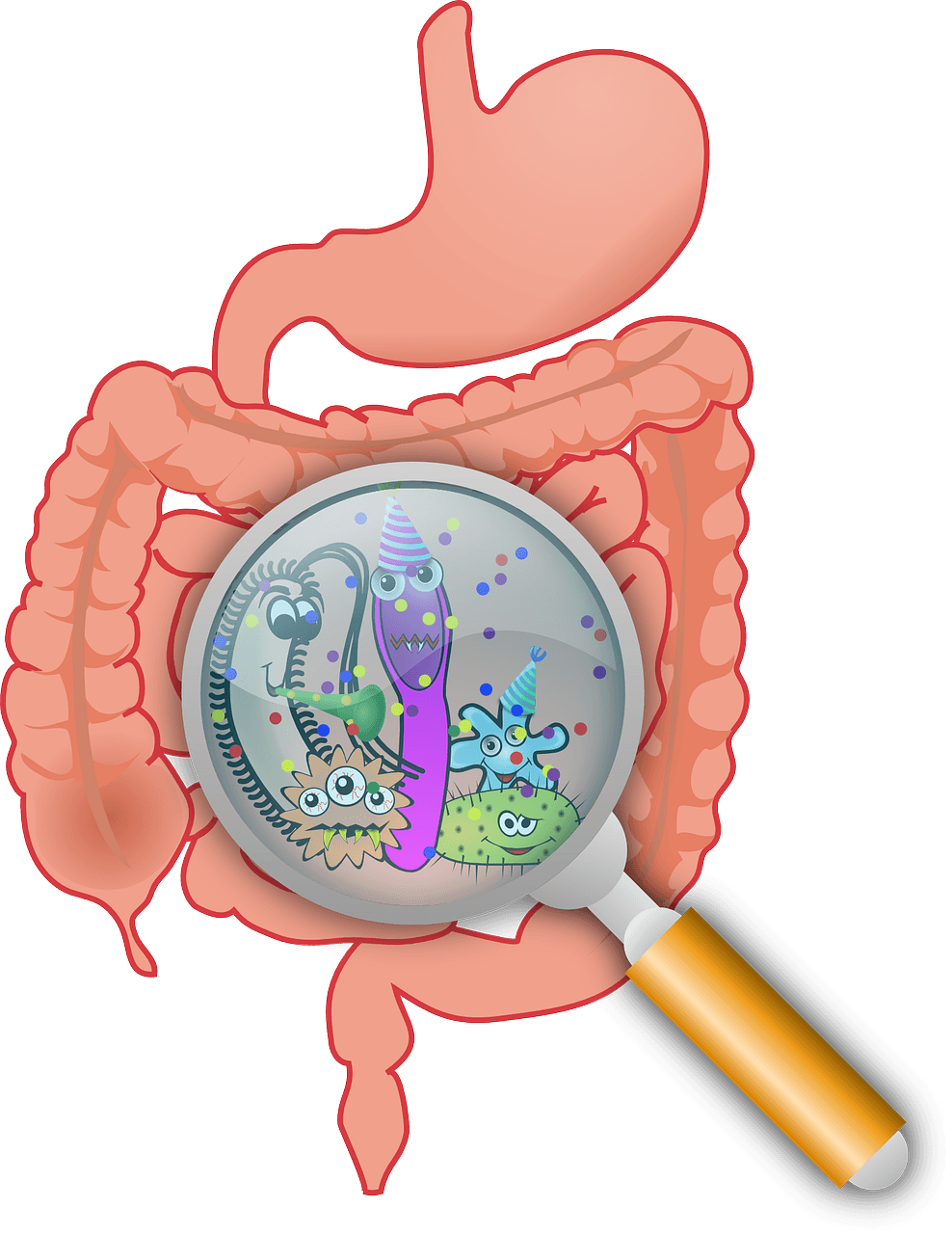
The connection between gut health and mental health has gained significant attention in recent years, with researchers increasingly recognizing the gut as the “second brain.” The gut microbiome, which consists of trillions of bacteria and other microorganisms, plays a crucial role in digestion, immune function, and, notably, mental well-being. Emerging evidence suggests that an imbalance in gut bacteria (dysbiosis) can contribute to mood disorders such as anxiety and depression.
The Gut-Brain Axis: How the Gut and Brain Communicate
The gut-brain axis is a bidirectional communication system between the gastrointestinal tract and the central nervous system. It involves:
- The Vagus Nerve – This nerve serves as a direct line between the gut and brain, transmitting signals that influence emotions, cognition, and mood.
- Neurotransmitters – The gut produces neurotransmitters like serotonin (about 90% of the body’s serotonin is made in the gut), dopamine, and gamma-aminobutyric acid (GABA), which are crucial for mood regulation.
- The Immune System – The gut microbiome plays a role in regulating immune responses. Chronic inflammation caused by gut imbalances has been linked to depression and anxiety.
- The Endocrine System – The gut influences hormone production, including stress hormones like cortisol, which can impact mood disorders.
How Gut Health Affects Mood Disorders
1. Dysbiosis and Depression
An imbalance in gut bacteria can lead to systemic inflammation, which is associated with depression. Studies show that individuals with major depressive disorder often have altered gut microbiomes, with reduced beneficial bacteria like Lactobacillus and Bifidobacterium.
2. Anxiety and the Gut Microbiome
An unhealthy gut can exacerbate stress responses and anxiety. The gut microbiome influences how the body responds to stress by modulating the hypothalamic-pituitary-adrenal (HPA) axis, which regulates the body’s stress response.
3. Leaky Gut and Mood Disorders
Leaky gut syndrome, or increased intestinal permeability, occurs when the intestinal lining becomes damaged, allowing toxins and harmful bacteria to enter the bloodstream. This triggers inflammation, which has been linked to depression and other mood disorders.
4. Gut Inflammation and Neurotransmitter Imbalances
Inflammation in the gut can hinder the production of serotonin and dopamine, neurotransmitters critical for mood regulation. Chronic inflammation has been linked to conditions like depression, bipolar disorder, and schizophrenia.
Signs of an Unhealthy Gut Contributing to Mood Disorders
- Chronic bloating, gas, or indigestion
- Frequent infections or weakened immunity
- Food intolerances or allergies
- Skin issues like eczema or acne
- Brain fog, fatigue, or difficulty concentrating
- Persistent stress, anxiety, or depression
Holistic Ways to Improve Gut Health for Better Mental Well-Being
1. Adopt a Gut-Friendly Diet
- Eat Probiotic-Rich Foods – Fermented foods like yogurt, kimchi, sauerkraut, kefir, and miso help replenish good gut bacteria.
- Increase Prebiotic Intake – Foods like garlic, onions, asparagus, bananas, and oats feed beneficial bacteria in the gut.
- Reduce Sugar and Processed Foods – Excessive sugar and artificial ingredients can contribute to gut inflammation and dysbiosis.
- Incorporate Anti-Inflammatory Foods – Turmeric, ginger, leafy greens, and fatty fish help reduce gut inflammation.
2. Manage Stress Naturally
- Practice Mindfulness and Meditation – Stress negatively impacts gut bacteria, so engaging in mindfulness can promote gut health.
- Engage in Regular Exercise – Physical activity helps regulate the gut microbiome and boosts serotonin levels.
- Prioritize Sleep – Lack of sleep disrupts gut bacteria and contributes to mood imbalances.
3. Take High-Quality Probiotics and Supplements
- Probiotic supplements containing strains like Lactobacillus and Bifidobacterium can improve gut health and mood.
- Omega-3 fatty acids help reduce inflammation and support neurotransmitter function.
- L-glutamine supports gut lining repair, preventing leaky gut.
4. Stay Hydrated
Adequate water intake is crucial for digestion, nutrient absorption, and toxin elimination, all of which influence gut and mental health.
Conclusion
The link between gut health and mood disorders underscores the importance of a holistic approach to mental well-being. By nurturing the gut through diet, stress management, and lifestyle modifications, individuals can significantly improve their emotional and mental health naturally. Prioritizing gut health is not just beneficial for digestion—it is essential for overall mental clarity, emotional resilience, and long-term psychological well-being.