The Link Between Sugar Consumption and Depression: How Sugar Affects Mental Health
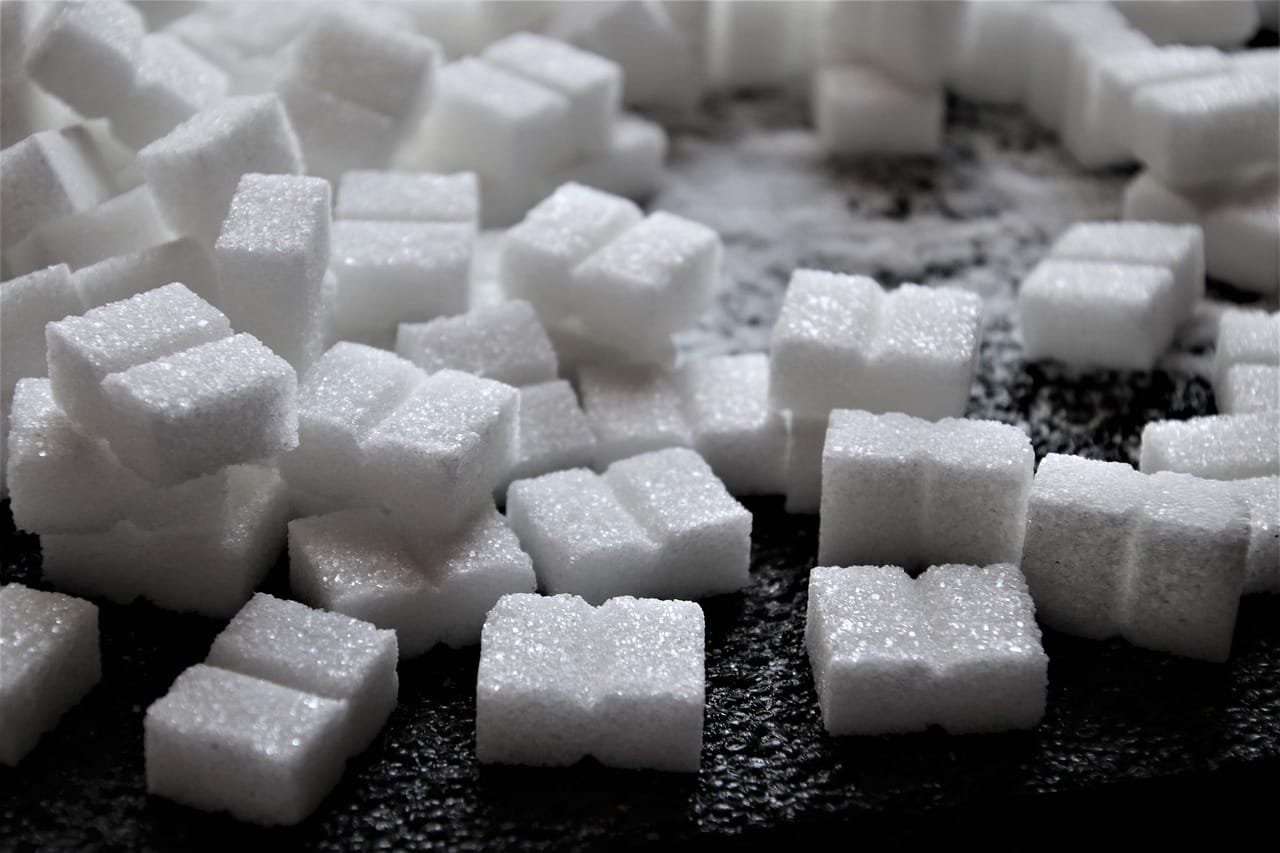
In today’s modern diet, sugar is a prevalent ingredient found in processed foods, beverages, and even items marketed as “healthy.” While excessive sugar consumption has long been linked to physical health issues such as obesity, diabetes, and cardiovascular diseases(3), emerging research suggests a strong connection between sugar and mental health, particularly depression(4). This article explores the impact of sugar on brain function, mood regulation, and overall mental well-being.
How Sugar Affects Brain Chemistry
1. Sugar and Dopamine Dysregulation
Sugar consumption triggers a rapid increase in dopamine levels, the neurotransmitter associated with pleasure and reward (1). While this initially creates a temporary “sugar high,” frequent consumption leads to dopamine receptor desensitization, requiring more sugar to achieve the same effect. This cycle mimics addictive behavior and can contribute to mood swings, fatigue, and ultimately, depression (1).
2. Blood Sugar Imbalance and Mood Swings

Consuming high amounts of refined sugar causes blood sugar levels to spike, followed by a rapid drop (hypoglycemia). This fluctuation can lead to irritability, fatigue, anxiety, and depressive symptoms (2). When the body experiences frequent highs and lows in blood sugar, the nervous system is placed under stress, increasing vulnerability to mood disorders.
3. Inflammation and Depression
Chronic inflammation is increasingly recognized as a contributing factor to depression. High sugar intake promotes systemic inflammation by increasing the production of inflammatory cytokines, which interfere with neurotransmitter function and impair brain health (5). Studies have found that individuals with diets high in refined sugars are more likely to experience symptoms of depression due to inflammation-induced neural damage (6).
4. Gut Microbiome Disruption

The gut-brain axis plays a crucial role in mental health. Sugar-rich diets feed harmful gut bacteria, leading to gut dysbiosis (7). This imbalance negatively affects serotonin production, as approximately 90% of serotonin—the neurotransmitter responsible for regulating mood—is produced in the gut (8). A disrupted microbiome has been linked to increased risks of depression and anxiety.
Scientific Studies on Sugar and Depression
-
Whitehall II Study (2017)
A longitudinal study conducted on British civil servants found that individuals consuming diets high in added sugars had a 23% increased risk of being diagnosed with depression within five years (9). -
Women’s Health Initiative Study (2015)
This large-scale study found a significant association between diets high in added sugars and an increased risk of depression in postmenopausal women (10). -
A Study on Soft Drinks (2018)
Research examining over 16,009 participants found that individuals consuming high amounts of sugar-sweetened beverages had a greater likelihood of experiencing depressive symptoms (11).
Practical Steps to Reduce Sugar Intake for Better Mental Health
1. Switch to Whole Foods
Opt for whole, unprocessed foods such as fruits, vegetables, nuts, and lean proteins. Whole foods provide stable energy levels without causing drastic blood sugar fluctuations.
2. Read Food Labels Carefully
Added sugars hide under different names like high-fructose corn syrup, maltose, dextrose, and sucrose. Check ingredient lists and opt for natural alternatives.
3. Balance Blood Sugar Levels
- Include protein and healthy fats in meals to slow down sugar absorption.
- Eat fiber-rich foods such as legumes, seeds, and leafy greens to regulate glucose levels.
4. Reduce Sugary Beverages
Eliminate or reduce sodas, energy drinks, and fruit juices, which contain high levels of added sugars. Instead, opt for herbal teas, infused water, or unsweetened beverages.
5. Manage Sugar Cravings with Natural Alternatives
Instead of processed sweets, satisfy sugar cravings with:
- Fresh fruits (e.g., berries, apples)
- Dark chocolate (at least 70% cacao)
- Natural sweeteners like raw honey or stevia (in moderation)
6. Support Gut Health
- Consume probiotic-rich foods like yogurt, kefir, sauerkraut, and kimchi.
- Eat prebiotic foods (garlic, onions, bananas) to nourish beneficial gut bacteria.
7. Practice Mindful Eating
Stress and emotional eating often lead to excessive sugar consumption. Techniques such as mindful eating, meditation, and stress management can reduce sugar dependency.
Conclusion
The link between sugar consumption and depression is evident through its effects on dopamine regulation, blood sugar imbalance, inflammation, and gut health. While occasional sugar intake may not pose a significant threat, excessive consumption can contribute to mental health issues, including depression. By making conscious dietary choices and reducing refined sugar intake, individuals can improve their mood, energy levels, and overall well-being.
References
(1) https://www.ncbi.nlm.nih.gov/pmc/articles/PMC2235907/
(2) https://www.webmd.com/a-to-z-guides/reactive-hypoglycemia
(3)https://pmc.ncbi.nlm.nih.gov/articles/PMC5133084/
(4)https://pmc.ncbi.nlm.nih.gov/articles/PMC10851576/.
(5) https://pmc.ncbi.nlm.nih.gov/articles/PMC9471313/
(6) https://www.frontiersin.org/journals/nutrition/articles/10.3389/fnut.2024.1472612/full
(7) https://pmc.ncbi.nlm.nih.gov/articles/PMC8954387
(8) https://pmc.ncbi.nlm.nih.gov/articles/PMC8234057/
(9) https://www.nature.com/articles/s41598-017-05649-7
(10) https://pmc.ncbi.nlm.nih.gov/articles/PMC4515860/
(11) https://pmc.ncbi.nlm.nih.gov/articles/PMC9880186/